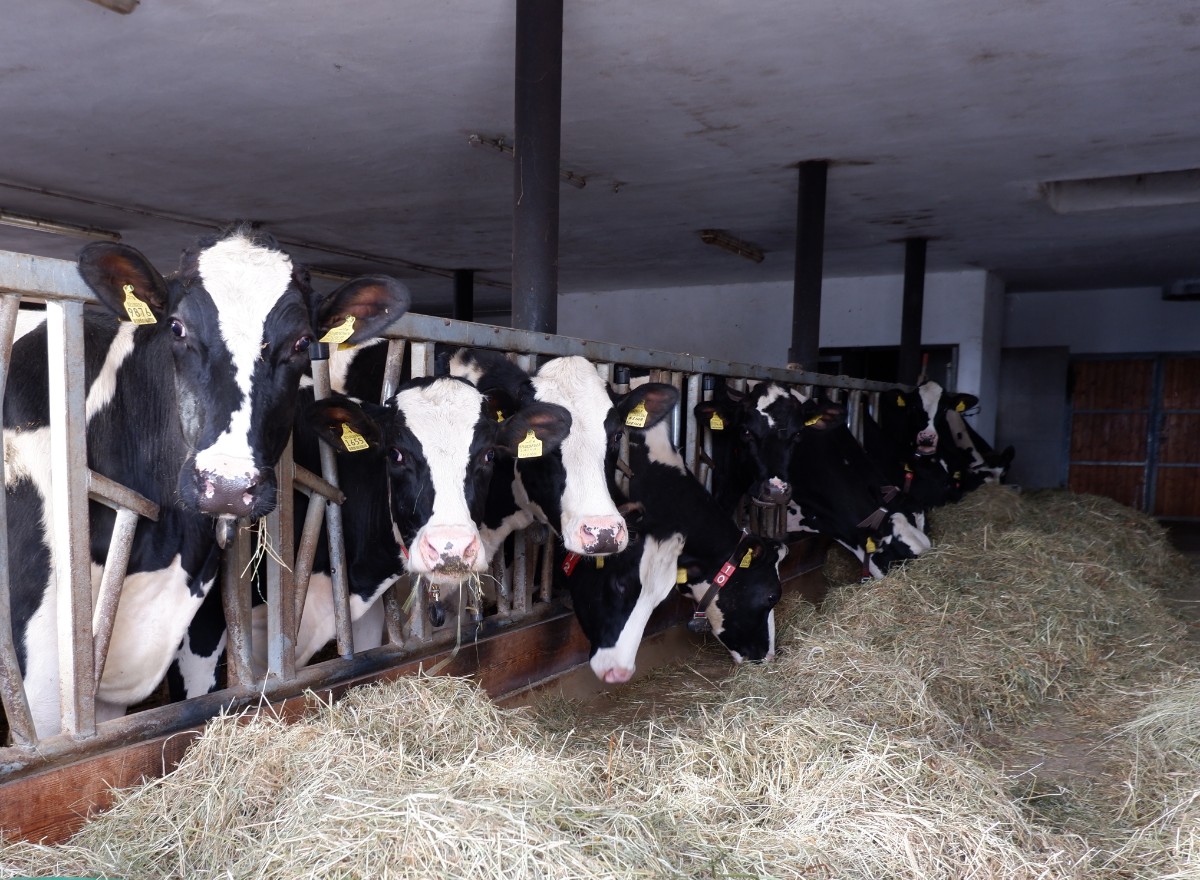
Animals play an important role in this. Especially in areas where animals live, such as a nature-oriented playground with an orchard meadow or a small pond, children learn to observe and understand animals. They experience first-hand how birds, insects, or small mammals move in their natural habitat. This not only promotes awareness of species and environmental protection, but also a deeper connection to nature.
Another positive aspect is the social component: children learn not only from each other, but also from the animals. They develop empathy, responsibility, and an awareness of the needs of the creatures with whom they share their space. In a nature playground, the play area becomes a space for developing a sensitive and respectful attitude towards nature and its inhabitants.
Overall, a natural playground helps to promote children's physical and mental development by training their senses, stimulating their creativity, and at the same time teaching them to treat the environment with respect—an important step toward fostering intergenerational mindfulness toward nature.
Another positive aspect is the social component: children learn not only from each other, but also from the animals. They develop empathy, responsibility, and an awareness of the needs of the creatures with whom they share their space. In a nature playground, the play area becomes a space for developing a sensitive and respectful attitude towards nature and its inhabitants.
Overall, a natural playground helps to promote children's physical and mental development by training their senses, stimulating their creativity, and at the same time teaching them to treat the environment with respect—an important step toward fostering intergenerational mindfulness toward nature.